Who may keep a deer that a car killed
The DNR says yes, with a free salvage permit from one web address, and the carcass stays in the county where the collision happened.
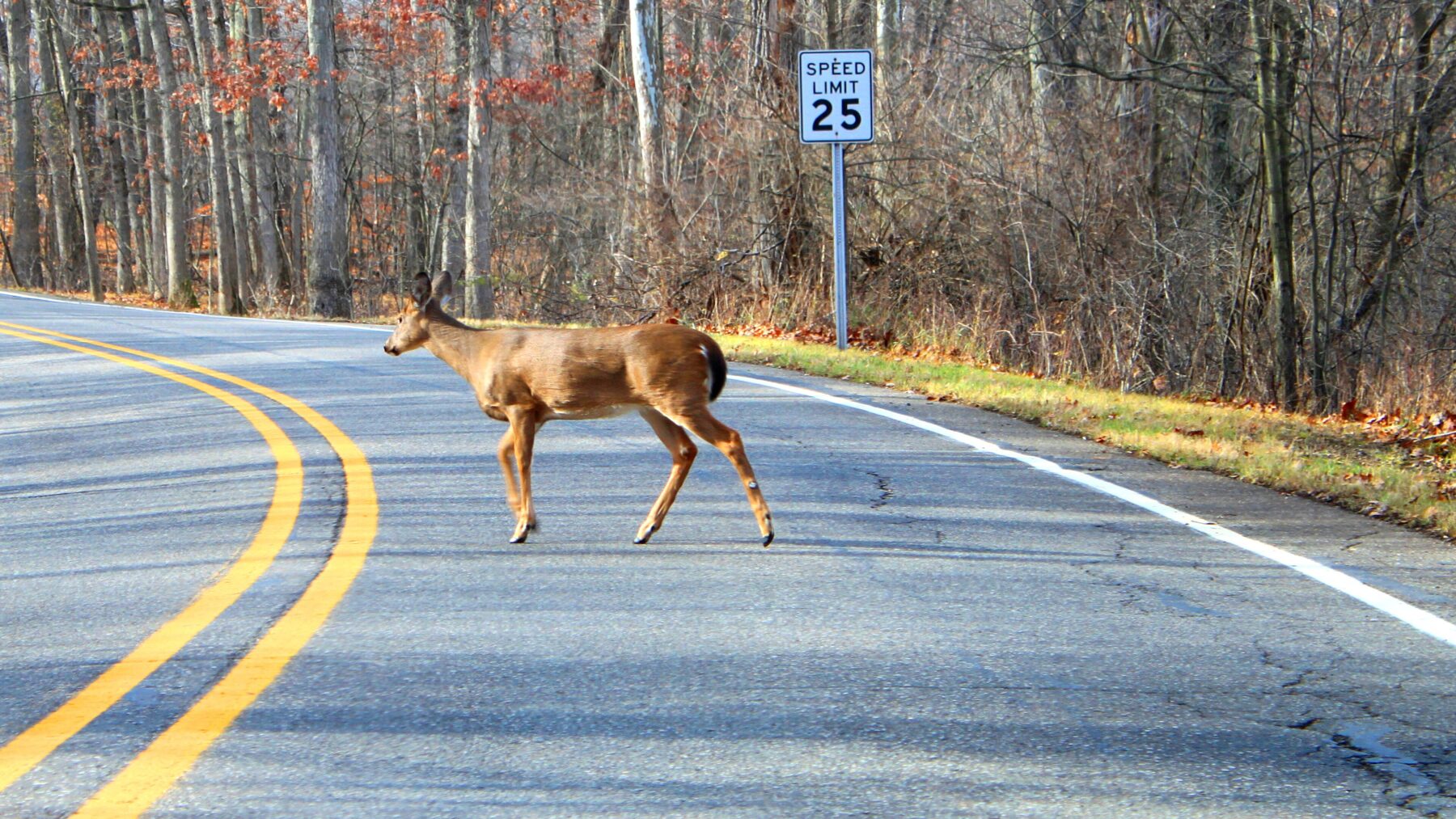
You have hit a deer, or you have come up on one on the shoulder with nobody standing over it. The question in front of you is whether the animal may go in the truck. Nothing a hunter is taught covers this one: it was not taken under a license.
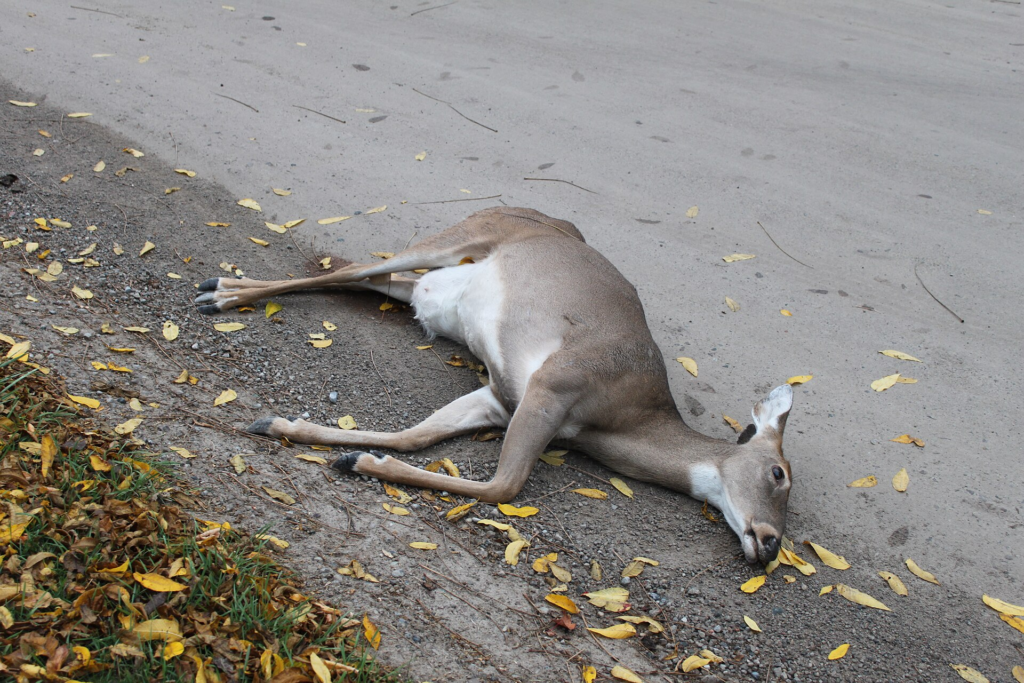
The answer is yes, with a permit. The DNR’s 2026 Deer Hunting Regulations Summary, read on Nov. 16, 2026, asks “Can I pick up a roadkill deer?” and answers “Yes. However, you must apply for a permit.” Its Wildlife Permits page says a person “can obtain a free salvage permit to possess wildlife killed in vehicular collisions,” and names it the roadkill salvage permit.
Section 324.40115 of the Natural Resources and Environmental Protection Act says an individual may possess game killed by a collision with a motor vehicle. The driver comes first in both texts, and if the driver leaves it, the DNR’s application says another person may take it.
Not every animal is covered. Twenty-one are excluded, by the form, the permits page and the statute alike: elk, moose, wolf, bobcat, wild turkey, bear cub and spotted fawn deer among them. None of it reaches a person who hits an animal on purpose either. The form says the permit “does not apply to an individual who uses a motor vehicle to kill or injure game intentionally.”
November is when this comes up. Michigan Traffic Crash Facts counted 9,821 reported vehicle-deer crashes in November 2025, the heaviest month of that year out of 58,271 reported statewide.
How you apply
One route, and it is a web address. Michigan.gov/RoadKillPermit opens a form headed “Michigan Road Kill Salvage Application.” The DNR prints that address in the regulations summary and on its chronic wasting disease page, and the roadkill salvage permit card on the Wildlife Permits page links to the same form. Between the card and the form there is no DNR page about the permit at all.
It runs six pages. Have the date and the location where the animal was collected ready, because the form says to know them before you begin, and finish it in one sitting, because a half-done application is not saved. For trouble with it there is one number, the Wildlife Division Permit Specialist at 517-284-6210, with no hours given. No DNR page read names a conservation officer, a sheriff, a police post or any DNR office as a place to get this permit.
What the statute says instead
The DNR gives one way. Section 40115 gives three. An individual in possession of deer, it says, “shall do 1 of the following”: obtain a salvage tag; “promptly notify the department or a local law enforcement agency of his or her intent to maintain possession of the game” by telephone or on the department’s website; or, for a driver who is “calling 9-1-1 to report the collision,” state that intent on the call.
No DNR page read mentions the second or the third. Read the third twice before anybody dials. It does not tell a reader to call 9-1-1 about a deer, only what a driver already calling about the crash must say.
Notice under the statute takes six pieces of information, among them when and where the person took possession, antlered or antlerless and the number of points, the person’s own details down to a driver license number, and the purpose, “including, but not limited to, human consumption, bait, or other uses.” The department “shall promptly issue a salvage tag if requested,” and promptly is not defined in hours.
The two do not even share a name for the thing. The statute says salvage tag throughout and never salvage permit; the DNR’s pages do the reverse. Whether the form is the statute’s tag, its notice on the department’s website, or both, nothing read says.
What it covers
The DNR’s word for what the permit gives you is “possess,” and the form’s first page says nothing more about what may be done with the animal. The rest is in the statute. A salvage tag, once issued, goes on the animal immediately and “shall remain attached until the game is processed, butchered for consumption, or delivered to a business for the purpose of taxidermy or tanning.” A conservation officer or a peace officer may ask the holder to produce it.
No DNR page read says anything about attaching anything to a roadkill deer. That is the reverse of what the same summary tells a hunter, which is to validate the paper kill tag and attach it to the antler, lower jaw or lower leg before field-dressing or moving the deer. Whether the meat may be given away, nothing read says, and no page read states a penalty for a roadkill deer.
The deer stays in the county
The DNR’s roadkill answer ends on a restriction. “You cannot possess a carcass or parts of a roadkill deer outside of the county where the deer was killed by collision with a motor vehicle.” What may cross the line is listed: deboned meat; quarters or other parts with no part of the spinal column or head attached; antlers; antlers on a skull or skull cap cleaned of all brain and muscle tissue; hides; upper canine teeth; a finished taxidermist mount. The DNR’s chronic wasting disease page carries the rule in nearly the same words, and both give the reason as the department’s work on that disease.
Neither page limits that to a named county or to one peninsula. Neither says whether a roadkill deer may or must be tested, or what a person is to do with the parts that may not leave the county.
Why a permit at all
Two sentences of the act, both added in 1995, are the ground under this. Section 324.40105 says all animals found in the state “are the property of the people of the state.” Section 324.40106 says nobody shall take, transport, sell, buy or possess game, living or dead, or its parts, except as that part of the act or a department order provides. A deer is game in the act, and “parts” reaches the hide and the entire body. Section 40115 sits in the same part, added by Act 255 of 2014. How the sections work together is on no page read for this story.
What no page says
The form’s first page does not say how soon after picking the animal up it has to be filled in, whether the deer may be moved before that is done, or what hours its one number is answered. It does not say what the applicant ends up holding, a printed permit or an e-mail or a number. And no page read says what a person does when the office is closed.
Nor does anything read say what to do about an adult deer that has been hit and is still alive. Section 40115 covers game “injured and euthanized as allowed under law following” a collision, and does not say who may euthanize one, by what means, or which law allows it. The DNR’s nuisance-wildlife page for deer names nobody to call about an injured adult; its one sentence on injured wildlife, that only licensed rehabilitators may possess it, stands in a paragraph about fawns. That is the whole of the record on an animal that is not dead.
Where to call
The application is at Michigan.gov/RoadKillPermit. The number on the form is the Wildlife Division Permit Specialist at 517-284-6210.
If nobody is keeping the animal, the call is not to the DNR. Its nuisance-wildlife page for deer says, in four of its five tabs, “Michigan DNR does not remove roadkill deer,” and tells a homeowner to contact the local county or township road commission for removal. That is who comes and gets it.
Sources
Every statement in this story comes from a Michigan DNR page, a section of the Michigan Compiled Laws or a state crash report read on Nov. 16, 2026, and each sentence names the document it comes from. Nothing here is legal advice, and no sentence says what a court, a prosecutor or a conservation officer would do.
The DNR. Wildlife Permits and the nuisance wildlife page for deer, both read whole; the CWD hunting regulations page, read whole including all six question panels; and the 2026 Deer Hunting Regulations Summary, a document of about 155,000 characters, read in part: the answers on picking up a roadkill deer, transporting game, validating harvest and possessing a live wild animal, and the season table. The application itself, Michigan Road Kill Salvage Application, reached both from the permits page and by typing Michigan.gov/RoadkillPermit, is hosted on Esri’s Survey123 rather than on michigan.gov, and only its first page of six was read. Nothing was typed into it and nothing was submitted, so what pages two to six ask, and what an applicant receives at the end, are not in this story. None of these DNR pages prints a date.
The statute. Michigan Legislature, Natural Resources and Environmental Protection Act, 1994 PA 451: section 324.40115, “Possession of certain game killed in collision with motor vehicle”, read whole with its History line, added by Act 255 of 2014 effective Sept. 28, 2014; and, in Part 401, section 324.40105, section 324.40106, the definitions in section 324.40103 and the permit section 324.40114, with section 324.43539 in Part 435. In the act a deer is game; “protected animal” is a separate defined term.
The crash figures. Michigan Traffic Crash Facts, 2025 statewide report, Deer section (the three-page document), published by a University of Michigan site and funded by the Michigan Office of Highway Safety Planning with the National Highway Traffic Safety Administration. Its figures are reported crashes: 58,271 in 2025, of which 9,821 in November, the heaviest month, and 8,432 in October. The report gives no estimate of unreported crashes, does not break November into weeks, says nothing about the firearm season, and says nothing about what became of any animal. It carries no publication date.
Where the record disagrees. The DNR’s form says the department “requires a person to obtain a free salvage permit” and its regulations summary says “you must apply for a permit”; section 40115 says a person in possession of a deer “shall do 1 of the following” and gives three. Whether filling in the DNR’s form is the statute’s salvage tag, the notice “on the department’s website”, or both, no document read says. The names differ too: the statute says salvage tag throughout and never salvage permit, while the DNR’s pages say salvage permit, salvage application and “this registration” and never salvage tag, and the two lists of excluded animals differ in spelling (“bear cub” and “goose” on the DNR’s pages, “cub bear” and “geese” in the statute). The county rule is stated twice by the DNR and appears nowhere in section 40115, whose only disease provision is the director’s power to suspend salvage in a disease-affected area by order; whether any such order is in force is not known to this desk. And the authority the form cites for itself, Part 435, section 324.43539 and section 4.5 of the Wildlife Conservation Order, is a section that as published is headed “Report by licensee” and speaks of reports by licensed hunters, trappers and anglers of animals taken in open season; the form does not cite section 40115.
What no document read settles. The Wildlife Conservation Order itself. Its index lists a section 4.5 headed “Road-Killed Animals” and a section 3.100b headed “Prohibition - Free-Ranging Deer Carcasses”, and the DNR’s PDF of Chapter IV returned no text when it was opened on Nov. 16, 2026, so neither section’s words are in this story even though the DNR’s two web pages describe themselves as a digest of that order. Also unread: section 324.40118, the part’s penalty section, which is why this story states no fine. No document read gives a telephone number for the notice section 40115 allows, says how soon the form must be filled in, says whether the deer may be moved first, or says whether the animal or its meat may be given to another person. Neither DNR page says whether a roadkill deer may or must be tested for chronic wasting disease, or what to do with the parts that may not leave the county, and the two exceptions the summary allows a hunter in the Montcalm, Ionia and Kent county area, a whole carcass straight to a registered processor or a detached head to a licensed taxidermist, are not repeated in the roadkill answer and are not ruled out there either. Two further state documents would not open: the DNR’s Customer Services Guide PDF came back empty, and a Michigan State Police highway-safety brochure on deer returned HTTP 403, so no state page on reporting a collision with an animal was captured and this story says nothing about reporting a crash to the police or an insurer.