Two permits for deer in the crops, and the calendar between them
A local DNR field office issues one, and only outside the deer seasons. The landowner buys the other and hands it to hunters inside them.
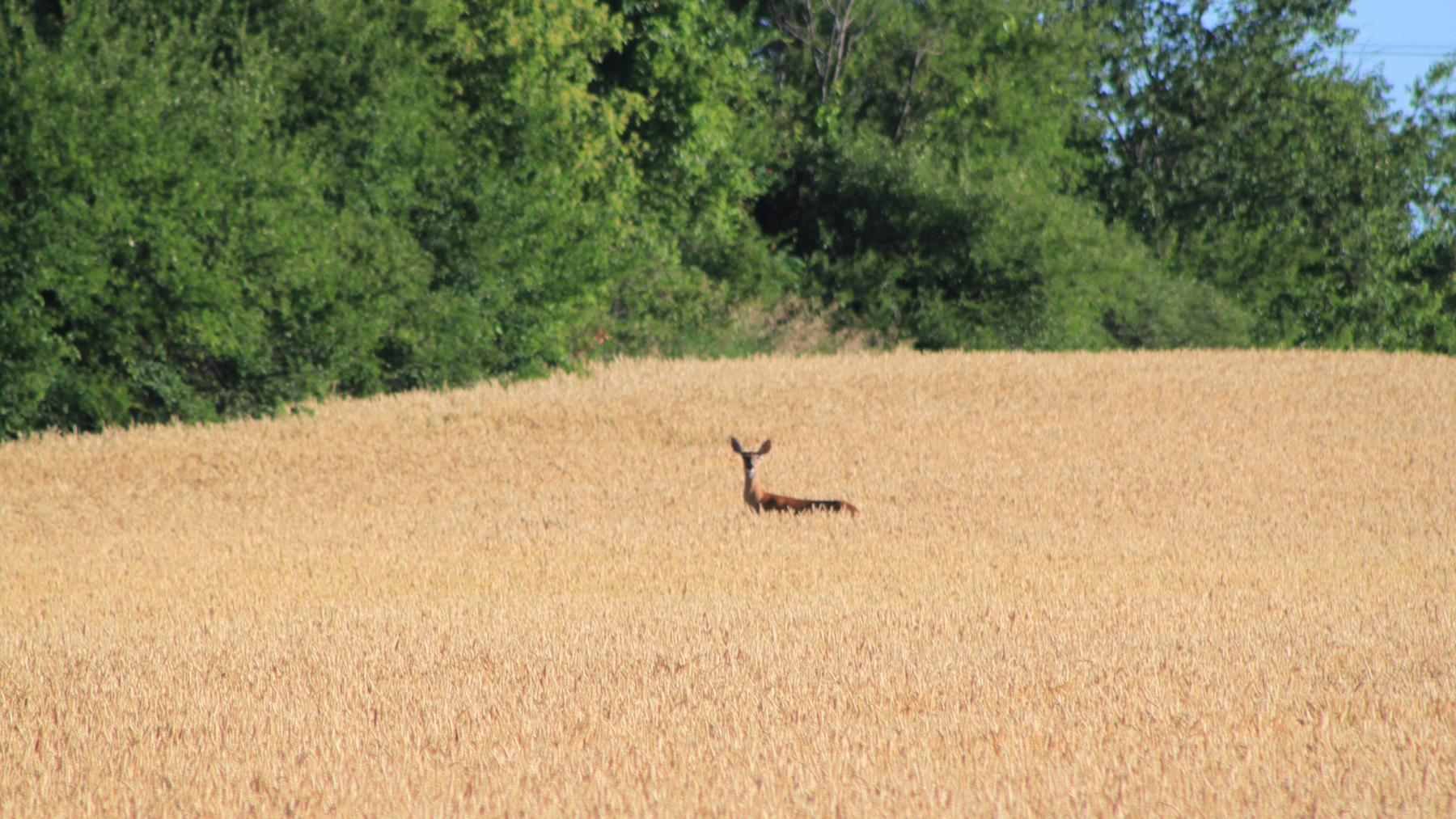
A landowner with deer in the crops has two permits to ask the state about, and the calendar decides which one. The DNR’s deer damage permits page says deer damage shooting permits are “issued to resolve agricultural or horticultural damage occurring on properties outside of deer hunting seasons.” The other one, the deer management assistance permit, is allowed only inside those seasons, and only for an antlerless deer, by the Wildlife Conservation Order as the DNR prints it on that permit’s page. Either one starts with the same telephone number or the same email address.
This week the second one is the live question. The regular firearm season runs Nov. 15 to 30 statewide by the 2026 Deer Hunting Regulations Summary, and a permit written for properties outside of deer hunting seasons is not a permit for a day inside one.
The permit for the open season
The order’s section on deer management assistance permits, which the DNR prints on its own permit page, says they are “valid only during an open season for the taking of deer.” They may be issued, it says, “statewide to owners or authorized designee of land located in areas where current antlerless harvest methods are insufficient to achieve department deer management objectives,” or where one of four conditions exists. The first is that the department has documented significant agricultural or horticultural crop damage caused by deer. The others are a documented serious disease outbreak threatening the deer herd, livestock or human health, a documented significant safety hazard from deer, and antlerless regulations insufficient for the landowner’s own deer management objectives.
A landowner, or one designee the department approves, applies by filing an agreement with the wildlife management unit supervisor. The agreement carries an estimate of the antlerless harvest wanted and the number of hunters needed to reach it. The supervisor sets the number of permits, and the order puts a floor under it. “A minimum of 5 DMA permits shall be issued per permittee.” The landowner buys them and may not sell them.
The landowner then issues the permits, and the order allows that only to a person who has already bought a deer license for the current hunting seasons. The 2026 summary states the same thing twice over. “DMA permits are not stand-alone licenses,” it says, and “You must purchase an appropriate deer license for the season in which you are hunting.” A hunter holding one may not sell it, lend it, or let anybody else use it, and has to carry the unused permit and show it to a law enforcement officer on request. An unused permit may be reissued to a hunter, the order says, only by the landowner.
What it buys the hunter is an antlerless deer, on the land the permit was issued for and on adjacent private property with that landowner’s permission. One deer a permit, daily limit and season limit alike. That deer does not count in the season limit, and by the 2026 summary it does not count against a hunter’s use limit for universal antlerless deer licenses. The permit itself does not count against the limit of ten of those licenses a hunter may buy. The order adds that a person hunting on one still complies with all rules and regulations for the taking of deer for the season they are in.
Two reports come out of it. The hunter reports the deer like any other, within 72 hours of harvest or before possession changes hands, whichever comes first, which the 2026 summary states for deer management assistance permit holders by name. The landowner reports by Jan. 15 to the wildlife management unit supervisor, with the name and address of every hunter and the number of deer taken. Failure to comply with the rules makes a permittee ineligible for the program for a year.
The permit for the rest of the year
The DNR’s deer damage permits page is two paragraphs. It says these permits “are issued by your local field office for crop damage,” that they are valid only outside a deer hunting season “and within a specified time period determined by the local Wildlife Division staff,” and that local staff “may make a site visit prior to issuing kill tags to assess the extent of the damage.” May, not will.
What the page leaves out, the statute carries. Section 324.40114 of the Natural Resources and Environmental Protection Act, on legislature.mi.gov, lets the department permit “the taking of animals to prevent or control damage to crops or feed.” Except during an open season for deer, it says, deer may be taken under it if the department determines they “have caused damage to emerging, standing, or harvested crops or to feed properly stored in accordance with normal agricultural practices.” The clock is in the statute too. The department has five business days from a request to determine whether a permit should be issued, has to deny it in writing within ten business days if it decides against, and in denying it has to advise the applicant on other techniques for controlling or preventing damage caused by deer.
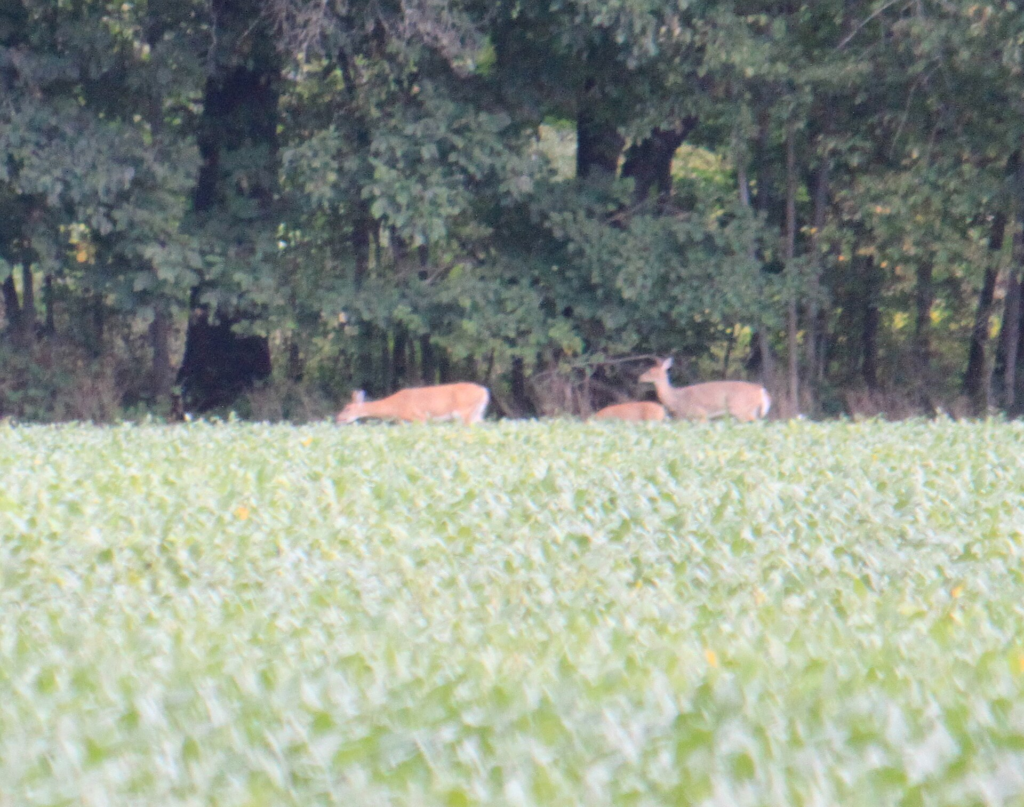
On who does the shooting, the statute gives a number and little else. “A permittee under a deer damage shooting permit may designate not more than 15 authorized shooters to implement the provisions of the permit unless the department authorizes otherwise.” It also says that taking animals under a permit of this kind “is not considered hunting.”
Who those fifteen may be is not stated on any page read for this story. The DNR’s damage permits page does not say whether a person shooting under the permit needs a deer license, and the statute’s two deer paragraphs do not say either. The order’s own section on this permit, section 5.40, sits in a chapter of the Wildlife Conservation Order published as a PDF that opened blank, so the question stays open.
The page is plainer about the deer itself. Whoever uses one of these permits “may keep the harvested deer or donate it, but above all, the carcass must not go to waste,” and the kill is reported within 72 hours of retrieving the deer or before possession changes hands, whichever comes first, by the website at Michigan.gov/DNRHarvestReport, in the DNR’s Hunt Fish app, by the automated voice system at 517-284-9453, or in person at a DNR Customer Service Center. The page names no place that takes a donated deer.
A permit can also go away. The statute says one issued under the section may be “suspended, revoked, annulled, withdrawn, recalled, canceled, or amended” under the administrative procedures act, and that a holder convicted of violating it may lose it, with any animal in their possession disposed of as the department approves.
What no page says
No page read for this story prices either permit. The fee table in the 2026 Deer Hunting Regulations Summary has no row for a deer management assistance permit, although the order has the landowner buying them. Neither DNR page names a form, a deadline for applying or an office address, and the wildlife management unit supervisor the order sends a landowner to is neither named nor placed.
The summary is quieter still about the other permit. Searched by script on Nov. 18, 2026, the main text of the 2026 Deer Hunting Regulations Summary does not contain the words deer damage shooting permit, damage permit, crop damage or out-of-season anywhere. A reader who learns the rules from the summary alone would not know that permit exists.
No page read for this story tells a reader how many of either permit the department issues, in which counties, or how many deer come off them. No DNR report, release or bulletin on these permits was found.
Two other permits sit close enough to be mistaken for these. The department’s wildlife damage and nuisance control permit has its own page, which does not mention deer, crops or farms, and the roadkill salvage permit, which the DNR’s wildlife permits index describes as a free permit “to possess wildlife killed in vehicular collisions,” is a different animal in a different situation.
How to ask
Both DNR pages give the same way in. Call 517-284-9453, or email your name, your telephone number and the name of your county to [email protected]. It is the same number the department’s automated harvest report answers on.
Sources
Every statement in this story comes from a Michigan DNR web page, from the Wildlife Conservation Order as the DNR prints it, or from a section of the Michigan Compiled Laws, all read on Nov. 18, 2026, and each sentence names the document it comes from. Nothing here is legal advice, and no sentence says what the department, a supervisor or a conservation officer would decide in a particular case. No private landowner, farm, field or county is named, because none is in the record.
The DNR. Deer damage permits, read whole, two paragraphs and one document link; Deer Management Assistance Permits, read whole, which is one contact line and then the text of section 5.80 of the Wildlife Conservation Order printed on the page itself; the Wildlife Permits index, read whole, twenty-two permit cards of which four matter here; and the 2026 Deer Hunting Regulations Summary, a web document of about 139,000 characters, not read end to end but searched by script for damage, DMA, management assistance, out-of-season, crop and landowner, with every hit read in context. None of these pages prints a date of its own. The Wildlife Damage and Nuisance Control Permits page was read only to keep it apart from these two; it is a heading and four document links, and it does not mention deer, crops or farms.
The statute. Michigan Legislature, Natural Resources and Environmental Protection Act, 1994 PA 451, section 324.40114, read whole with its History line, added by Act 57 of 1995 and amended eight times since, last by Act 390 of 2018 effective March 19, 2019. The History line does not say which amendment added the five-day clock or the fifteen-shooter sentence, so this story dates neither. The section never uses the words deer management assistance; the only deer permit it names is the deer damage shooting permit, and it does not define crops or feed.
Where the texts differ. The order’s subsection (7) lists the deer licenses a permit may be issued against by their 2012 names, and the 2026 summary says instead “an appropriate deer license for the season in which you are hunting”; the summary’s sentence is the one used here, and no license type is listed. The order’s test for an assistance permit is significant crop damage the department has documented, while the statute’s test for the out-of-season permit is that deer have caused damage, with no significant in it; the two words are not carried across. The History line on the DNR’s copy of section 5.80 ends June 15, 2012, so whether that web copy is the order as it stands today cannot be told from the page, and section 5.80 is attributed here to the order as the DNR prints it on that page. Every point the 2026 summary and section 5.80 share, they agree on. And 517-284-9453 does two jobs on these pages, as the number for help with crop damage and as the automated harvest report line.
What was not read, and what no page says. The Wildlife Conservation Order’s Chapter V, Special Permit Regulations, linked from the deer damage permits page as section 5.40, opened with an empty page in the browser on Nov. 18, 2026, as DNR PDFs have before. That chapter holds the order’s own rules for the deer damage shooting permit, so this story says nothing about who may hold one in the order’s words, what weapon or hours apply, or how its kill tags work. Section 3.103 of the order, which section 5.80 applies to assistance permits and their kill tags, is in the same unread chapter set. Nothing read for this story says how many of either permit the department issues, where, or how many deer come off them, and no DNR report, release or bulletin on these permits was found. No crop-loss figure is stated here because none was captured. One search of michigan.gov turned up no Department of Agriculture and Rural Development page on deer or wildlife damage to crops, so that department is not mentioned. An MSU Extension page on antlerless harvest returned an empty document and was not used. A web search summary asserted that users of either permit must hold a valid Michigan deer license, citing an old michigan.gov address; for the damage shooting permit neither the current DNR page nor the statute’s deer paragraphs say that, and this story does not say it.