
DNR maps reports of EHD-suspect deer by township
The map sits on the DNR’s EHD page and marks 15 counties with lab-confirmed disease this year. The department says it is not a count of dead deer.
The Michigan DNR has built a map that shows where people have reported deer suspected of having epizootic hemorrhagic disease, down to the township, the department said in a news release dated Oct. 29. The map is on the DNR’s EHD page, at Michigan.gov/EHD.
It plots reports by 36-square-mile township-range block and marks the counties where a laboratory has confirmed the disease. Read on Nov. 10, the page labeled the map for reports from Aug. 1 through Oct. 30, 2026. The release says it is to be updated about weekly while the outbreak is active.
Both pages list the same 15 counties with lab-confirmed EHD this year: Allegan, Branch, Calhoun, Clinton, Hillsdale, Ingham, Jackson, Kalamazoo, Lapeer, Lenawee, Montcalm, Oakland, Oceana, Saginaw and Washtenaw. The release counts 16 counties in 2025 and 15 in 2024.
The DNR is plain about the map’s limits. Reporting is voluntary, and the release calls the map an indication of reported activity, “not a precise count of deer deaths or complete assessment of where EHD is and is not occurring.” A lab can confirm the disease only if the DNR collects the carcass within 16 hours of the deer’s death, the release says.
The release announces no change to any season or limit. It says Brent Rudolph, the DNR’s deer, elk and moose management specialist, finds it not surprising that some hunters may choose to take fewer antlerless deer where losses have been heavy. The EHD page says herds have recovered after past outbreaks “without restrictions on hunter harvest.” After the 2012 outbreak, by the release, deer numbers rose over five years in one affected area while surveys a few miles away showed no change.
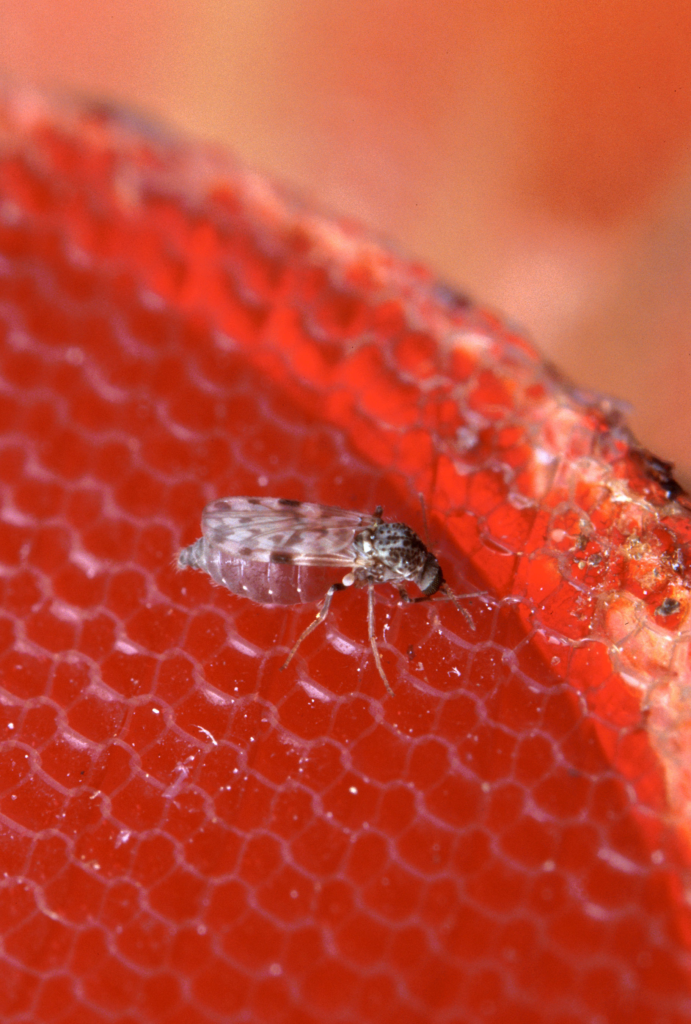
Midges carry the virus, and outbreaks generally end when frost kills them. The EHD page says people cannot contract EHD “by any mode of transmission, including eating venison.”
The DNR asks hunters who find a suspect deer to report it through its Eyes in the Field portal, which the EHD page links.
Read the pages: New DNR map shows township-level reports of EHD-suspect deer, Michigan DNR, Oct. 29, 2026, and the DNR’s EHD page.
Sources
Every fact in this item comes from two Michigan DNR pages read on Nov. 10, 2026: New DNR map shows township-level reports of EHD-suspect deer, dated Oct. 29, 2026 (the map, its limits, the county counts for 2025 and 2024, the 16 hours, Brent Rudolph’s remarks, the 2012 research, the reporting request), and the DNR’s EHD page (the map’s date label, the 2026 county list, recovery without harvest restrictions, and the statement on people and venison).
Where the record differs. The release says a carcass must be collected within 16 hours for a laboratory test; the EHD page says tissues must be preserved within 8 to 16 hours. The item gives the release’s figure.
What the pages do not settle. The map itself was not read township by township, so no township is named. Neither page states a season, a limit or a rule.
Update history
- The two source links in the last paragraph printed as bracketed text instead of links. They are links now. No word of the story changed.